We have recently returned from a family holiday on Boa Vista, Cape Verde. On
both previous visits we stayed at the Riu Karamboa in the north west of the
island, but this year we decided to switch to the Riu Touareg in the ‘deep’
south. Well actually I suggested the switch, because the Touareg has some
excellent wader pools nearby.
As expected, the first birds seen were Iago Sparrows at the terminal, but apart from these I saw only one other. The coach drive south took about 30 minutes – the first half was on a rough cobbled road and the second half was on a modern tarmac road paid for by Riu. The drive produced the only Cape Verde Swift of the week.
The Touareg was a larger version of the Karamboa and thankfully lived up to the family's expectations. There were masses of Spanish Sparrows around the complex, a few Spectacled Warblers, up to 3 House Martin and a single Collared Dove and Alexander's Kestrel. Surprisingly, no butterflies, dragonflies or locusts were seen.
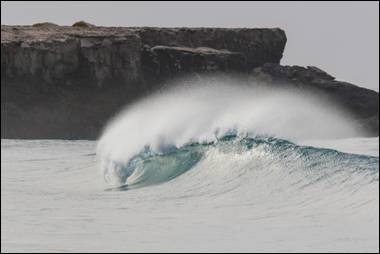
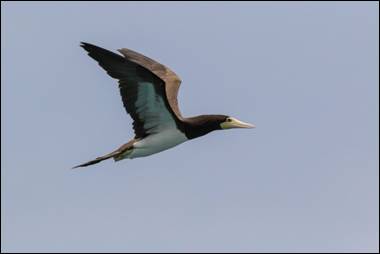
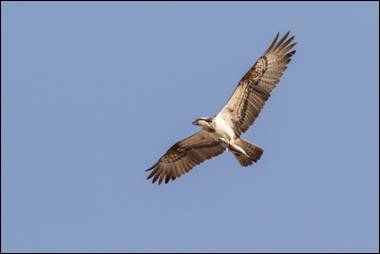
The beach was beautiful, although large dramatic waves were a concern and going into the sea was out of the question. A red flag flew every day. Plenty of Brown Booby passed offshore and a pair of Osprey was regularly seen.
The desert and sparse scrub around the complex produced
Cream-coloured Courser, Bar-tailed Desert Lark, Hoopoe Lark, Black-crowned Finch
Lark, Spectacled Warbler and Brown-necked Raven. There were also several
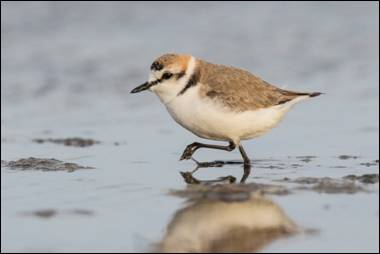
pairs of breeding Kentish Plover.
As anticipated the pools were brilliant for waders. They
were fed by leaks from tanks providing water to the complex. I visited the pool
to the east of the complex most days and visited the one to the west
once. Each day the pools produced over 100 waders and over the week a
total of 17 species were recorded, mainly Black-winged Stilts (up to 65), but
also good numbers of Curlew Sandpiper (up to 25) and Turnstone (up to
20). There were also single Whimbrel, Ruff and Dunlin and, best of all, a
Marsh Sandpiper.
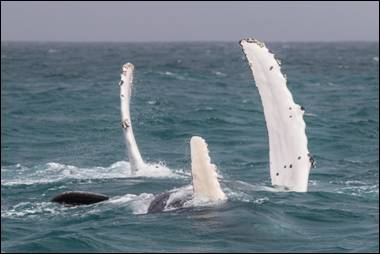
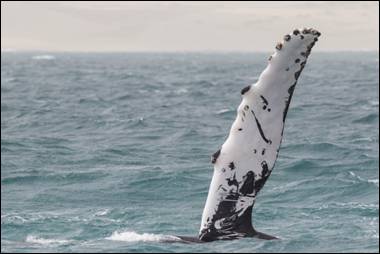
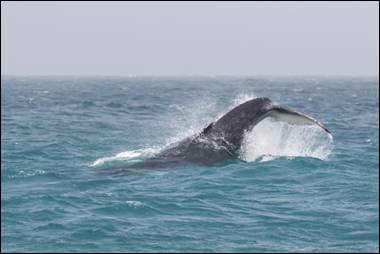
Encounters with mother and calf Hump-backed Whales on 2 whale
watching trips were the wildlife highlights of the week. Memorably, one mother
lay on her back and continuously smashed her huge pectoral fins onto the sea
surface while her calf pounded the sea surface with its tail.

All being well we hope to return to the Touareg next year.